

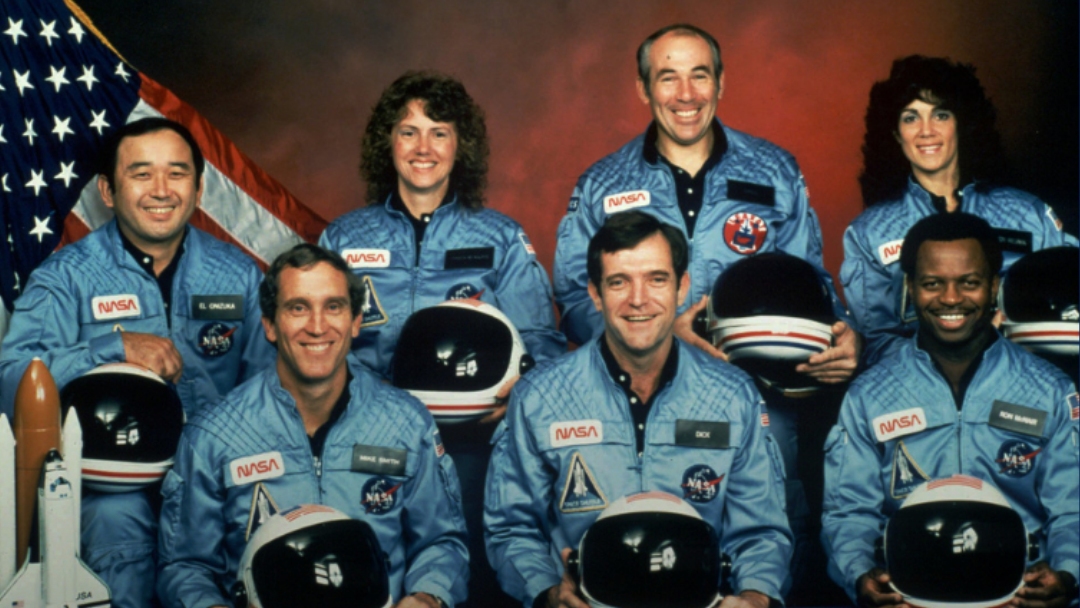
On January 28, 1986, the world watched in horror as the Space Shuttle Challenger broke apart just 73 seconds into its flight. The escaping gases caused the external tank to collapse, leading to the disintegration of the Challenger at an altitude of 46,000 feet. The crew compartment and other debris fell into the Atlantic Ocean, leading to the tragic loss of seven astronauts, including the first teacher in space, selected through a nationwide contest. This disaster not only shook the nation but also provided critical lessons in safety that extend far beyond space exploration.

This blog explores how the principles learned from the Challenger disaster can be applied to enhance patient safety in healthcare and includes key principles of patient safety, parallels between the disaster and healthcare, and a consideration of real-life examples. The disaster highlighted the importance of rigorous safety protocols and the catastrophic consequences of not using these protocols and led to significant changes in NASA’s safety culture and procedures.
Principles of Patient Safety
Definition:
- Patient safety is the prevention of errors and adverse effects to patients associated with healthcare.
- It involves creating systems and processes that minimize the risk of harm.
Key Principles:
- Do No Harm: The fundamental principle of healthcare is to avoid causing harm to patients. This aligns with the Hippocratic Oath.
- System-Based Approach: Safety is not just about individual performance but about creating reliable systems that support safe practices.
- Transparency and Reporting: Encouraging open communication about errors and near misses is crucial for learning and improvement.
- Continuous Improvement: Healthcare must be committed to ongoing learning and adapting to new information and technologies.
NASA’s Failures Leading to the Challenger Disaster/Rogers Commission Findings
Rogers Commission and Findings: Following the disaster, President Ronald Reagan appointed the Rogers Commission to investigate the causes. The commission’s report highlighted the technical, organizational, and cultural failures at NASA. Specifically, the Commission uncovered significant flaws in NASA’s decision-making process and safety culture, highlighting ignored warnings and the pressure to launch despite known risks.
Technical Failures:
- O-Ring Design Flaws: The primary technical failure was the O-ring seals in the solid rocket boosters. These O-rings were designed to prevent hot gases from escaping the booster joints. However, they were not resilient in cold temperatures, which led to their failure on the day of the launch.
- Cold Weather Impact: On the morning of January 28, 1986, temperatures at Kennedy Space Center were unusually low, around 36°F (2°C). The cold weather caused the O-rings to become brittle and lose their sealing capability.
Organizational and Communication Failures:
- Ignored Warnings: Engineers from Morton Thiokol, the contractor responsible for the solid rocket boosters, had expressed concerns about the O-rings’ performance in cold weather. They recommended delaying the launch, but their warnings were not heeded.
- Pressure to Launch: There was significant pressure to proceed with the launch due to scheduling and public relations concerns. NASA had already faced several delays, and there was a strong desire to maintain the launch schedule.
- Inadequate Risk Assessment: The decision-making process at NASA failed to adequately assess and mitigate the risks associated with launching in cold weather. The communication between engineers and management was flawed, leading to incomplete and misleading information being relayed to decision-makers.
Cultural Failures:
- Normalization of Deviance: Over time, NASA had developed a culture where deviations from standard procedures were normalized. Previous flights had experienced O-ring erosion without catastrophic failure, leading to a false sense of security.
- Lack of a Strong Safety Culture: The organizational culture at NASA did not prioritize safety concerns adequately. Engineers’ warnings were often overridden by management decisions focused on maintaining schedules and public image.
Changes Implemented
The findings led to significant changes in NASA’s approach to safety. These included redesigning the solid rocket boosters, improving communication channels, and fostering a stronger safety culture.
Organizational Changes: Following the commission’s recommendations, NASA implemented significant organizational changes to improve safety. This included redesigning the solid rocket boosters and enhancing communication channels.
Cultural Shift: NASA worked to foster a stronger safety culture, encouraging open communication about risks and prioritizing safety in decision-making processes.
Scrutiny of NASA’s Actions (How did they let this happen?)
Profit Motive and Pressure to Launch:
- Commercial and Political Pressures: NASA faced significant commercial and political pressures to maintain an ambitious launch schedule. The Challenger mission was part of a broader effort to demonstrate the Space Shuttle’s reliability and capability for frequent flights, which was crucial for securing funding and support.
- Teacher in Space Program: The inclusion of Christa McAuliffe, a schoolteacher, was part of NASA’s “Teacher in Space” program, designed to generate public interest and support for the space program. This added a layer of public relations pressure to ensure the launch proceeded as planned.
- Financial Implications: Delays in the launch schedule could have financial repercussions, including increased costs and potential loss of confidence from commercial and governmental stakeholders.
Ignored Warnings and Decision to Launch:
- Engineers’ Concerns: Engineers at Morton Thiokol, the contractor responsible for the solid rocket boosters, had expressed serious concerns about the O-rings’ performance in cold temperatures. They recommended delaying the launch due to the unusually low temperatures on the morning of January 28, 1986.
- Management Override: Despite these warnings, NASA management decided to proceed with the launch. The decision-making process was influenced by the desire to avoid further delays and maintain the launch schedule.
Coverup Attempts:
- Initial Denial: In the immediate aftermath of the disaster, there were attempts to downplay the extent of the warnings and concerns raised by engineers. Some NASA officials initially denied that there had been significant opposition to the launch.
- Allan McDonald’s Testimony: Allan McDonald, a senior engineer at Morton Thiokol, refused to sign off on the launch and later exposed the coverup attempts. During a closed hearing of the Rogers Commission, McDonald revealed that he and his team had strongly opposed the launch due to the risks posed by the cold temperatures.
Legacy
Impact on Space Exploration: The Challenger disaster had a profound impact on space exploration, leading to a 32-month hiatus in the Space Shuttle program. It underscored the importance of rigorous safety protocols and the need for a culture that prioritizes safety over schedules and public relations.
Lessons for Healthcare: The parallels between the Challenger disaster and patient safety in healthcare are clear. Both fields require a commitment to safety, effective communication, and continuous learning to prevent catastrophic failures.
Parallels Between the Challenger Disaster and Patient Safety
System Failures:
- Challenger: The failure of the O-ring was a known issue, but the decision to launch was made despite these risks.
- Healthcare: Similarly, system failures in healthcare, such as inadequate handoff communication or faulty equipment, can lead to patient harm.
Importance of Safety Culture:
- Challenger: NASA’s culture at the time did not prioritize safety concerns adequately, leading to the disaster.
- Healthcare: A strong safety culture in healthcare encourages reporting of errors, values safety over hierarchy, and continuously seeks improvement.
Communication and Reporting:
- Challenger: Warnings from engineers about the O-ring were not adequately communicated or heeded.
- Healthcare: Effective communication and a non-punitive approach to error reporting are essential for patient safety.
Learning from Mistakes:
- Challenger: The Rogers Commission Report led to major changes in NASA’s approach to safety.
- Healthcare: Analyzing adverse events and near misses helps healthcare organizations improve their practices and prevent future errors.
Case Studies and Examples
Healthcare Examples for Discussion:
- Medication errors
- Wrong site/patient surgery
- Patient allergies
Lessons Learned: Exploring gaps such as these demonstrate the importance of system-based approaches, effective communication, and continuous improvement in enhancing patient safety.
Conclusion
The Challenger disaster serves as a stark reminder of the consequences of ignoring safety concerns and prioritizing schedules over safety. By learning from these mistakes, both NASA and other high-risk industries, including healthcare, can improve their safety practices and prevent similar tragedies.
Takeaways:
- Patient at the center – Never, never forget who is at the sharp edge of what we do.
- Reduce variation – don’t normalize variations because they have not caused a problem.
- The way to reduce cost is to increase quality.
- Use your voice – unapologetically.